
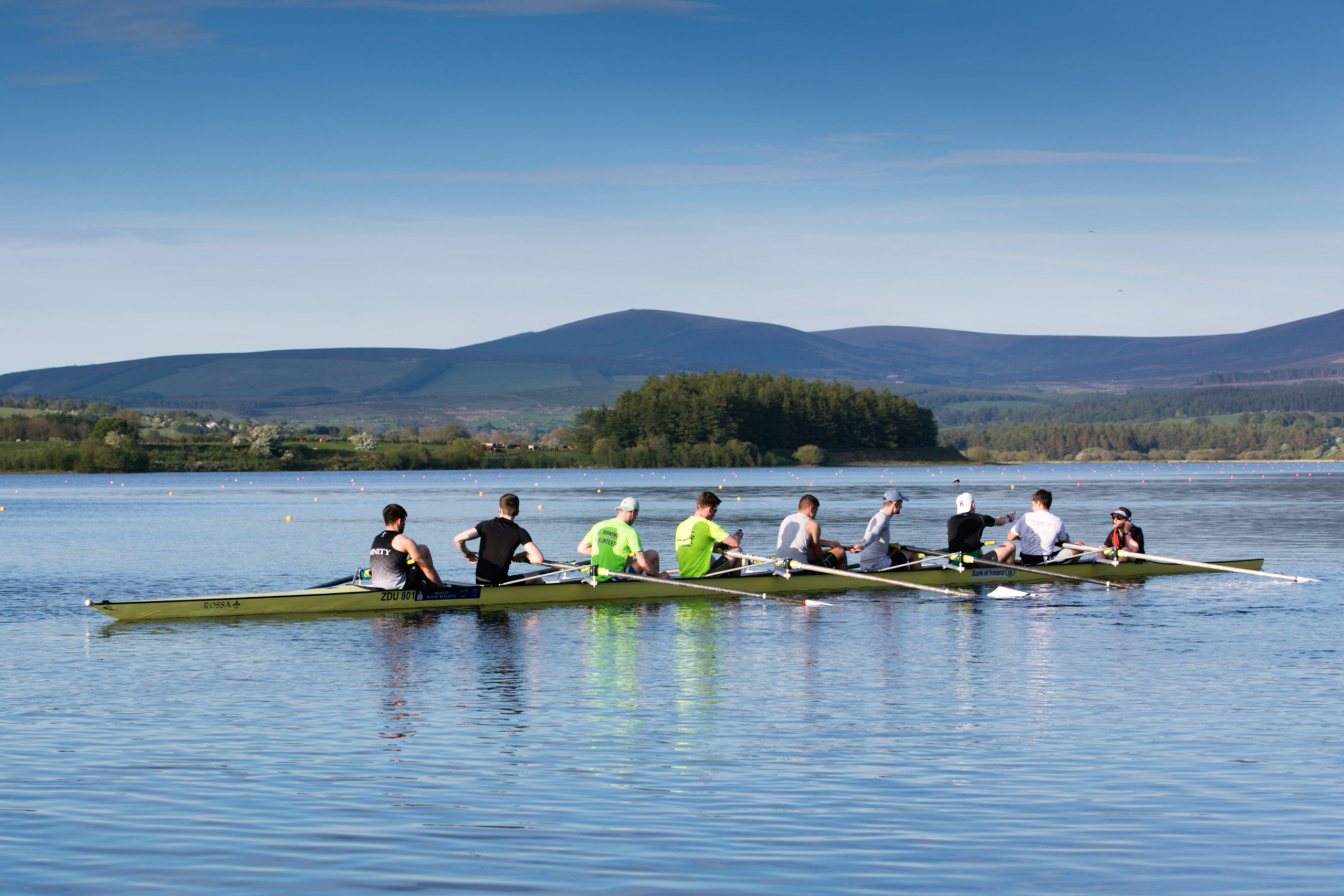
Rowing is often described as the ultimate full-body sport—demanding strength, endurance, coordination, and technical precision. Whether you’re a school athlete learning the foundations or a masters rower balancing training with work and life, the repetitive nature of rowing places unique stresses on the body. Understanding common injuries—and how osteopathy can help—can make a significant difference to both performance and longevity in the sport.
Why Rowers Are Prone to Injury
Rowing involves cyclical, high-load movements repeated thousands of times per session. The stroke requires coordinated effort through the legs, trunk, and upper body, with force transferred efficiently through the spine and pelvis.
Key contributing factors to injury include:
- High training volumes
- Repetitive spinal flexion and extension
- Poor technique or fatigue-related breakdown
- Rapid increases in load (e.g. regatta season)
- Equipment setup issues (foot stretcher, oar length, etc.)
Common Rowing Injuries
- Lower Back Pain – The most prevalent issue in rowing, particularly due to sustained lumbar flexion
under load. This is often seen in both school rowers (due to developing technique)
and masters rowers (due to accumulated strain and reduced mobility). - Rib Stress Injuries – More common in high-performance and masters athletes. These occur due to repetitive loading through the rib cage, often linked to poor load distribution or muscle imbalance
- Knee Pain – Typically related to compression at the catch or poor tracking of the knees during the drive phase
- Wrist and Forearm Tendinopathy – From repetitive gripping and feathering of the oar, particularly when technique or equipment setup is suboptimal.
School Rowers: Unique Considerations
School-aged athletes are still developing physically, which makes them more vulnerable to overload injuries—especially during growth spurts.
Common challenges include:
- Rapid increases in training volume during the season
- Limited strength and stability compared to load demands
- Learning technique under fatigue
- Balancing rowing with other sports
How Osteopathy Helps School Rowers
Osteopathic care focuses on supporting healthy development while managing load:
- Movement assessment: Identifying early signs of strain or imbalance
- Technique support: Highlighting restrictions that may affect stroke efficiency
- Injury prevention: Addressing tightness or weakness before it becomes symptomatic
Recovery support: Helping the body adapt to training load. The goal is to keep young athletes training consistently while reducing the risk of long-term issues.
Masters Rowers: Different Demands, Different Needs
Masters rowers often bring experience, discipline, and strong motivation—but also face different physical challenges.
Common factors include:
- Reduced flexibility and joint mobility
- Previous injuries or chronic conditions
- Lower recovery capacity
- Balancing training with work and family commitments
How Osteopathy Helps Masters Rowers
Osteopathy is particularly valuable for maintaining performance and managing niggles:
- Joint mobility: Improving spinal, hip, and rib movement to optimise stroke mechanics
- Load management: Helping adapt training around physical capacity
- Pain reduction: Addressing chronic or recurring issues
- Functional strength integration: Supporting better movement patterns
For masters athletes, the focus is often on longevity—staying on the water, pain-free, for as long as possible.
What to Expect from Osteopathic Treatment
Osteopathic care takes a whole-body approach, recognising that rowing injuries are rarely isolated to one structure.
Treatment may include:
- Hands-on techniques to improve joint and tissue mobility
- Soft tissue work to reduce muscle tension
- Advice on load management and recovery
Rehabilitation exercises tailored to rowing demands- Importantly, osteopathy doesn’t just treat symptoms—it looks at why the injury occurred in the first place.
Prevention: The Key to Staying in the Boat
Regardless of age or level, prevention strategies are essential:
- Gradual progression of training load
- Consistent strength and conditioning
- Attention to technique (especially under fatigue)
- Adequate recovery and sleep
- Early management of niggles
Osteopathy can play a proactive role here, not just a reactive one.
Rowing places unique and repeated demands on the body, but with the right support, injuries don’t have to be inevitable. Whether you’re a school athlete building your foundation or a masters rower aiming for longevity, osteopathy offers a practical, hands-on approach to keeping you strong, balanced, and performing at your best. If you’re experiencing discomfort or want to stay ahead of potential injuries, early assessment and targeted care can make all the difference.