
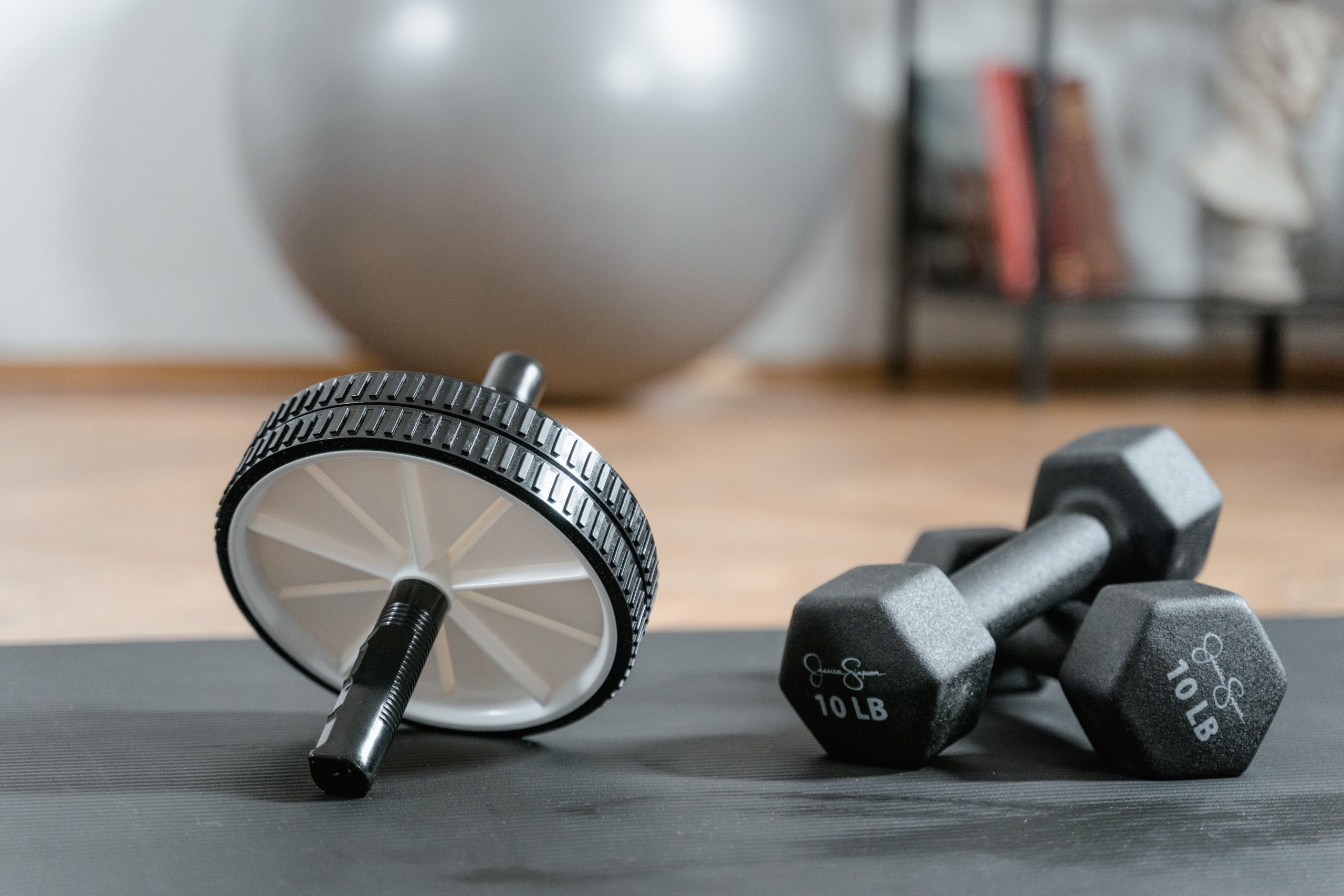
When we think about having a strong core, we often picture six-pack abs, and abdominal exercises. But core strength is only part of the picture. So, what is the difference between core strength and control, and which is more important?
Core Strength is your ability to produce force, while core control is how well you coordinate that force with your breathing and movement. Both matter, but strength without control is only half the story, and control is what lets you adapt that strength to everyday tasks.
What Is the Difference Between Core Strength and Core Control?
Core strength and core control are closely related, but they describe different things. Strength is about how much force your trunk can produce. Control is about how well you use it.
What Is Core Strength?
Core strength is the capacity of the muscles around your abdomen, spine and pelvis to produce force. It supports you when you lift, carry, exercise, and manage everyday physical demands, whether that’s a heavy box or a training session.
What Is Core Control?
Core control is your ability to coordinate those same muscles with your breathing and movement. It involves knowing when to create tension, how much you need, and when to relax.
Your core is constantly adapting to the task in front of it. Picking up a light shopping bag asks for far less effort than lifting a heavy box, and good core control lets your body adjust accordingly. It also means being able to move between stability and relaxation, rather than constantly holding your stomach tight or bracing your whole body.
Breathing: An Overlooked Aspect of Core Control
Breathing is one of the most overlooked parts of core control. Your diaphragm, abdominal muscles, pelvic floor, and the muscles around your spine work together as a team. They help manage pressure within your trunk and support your movement.
How Does Breathing Work with Your Core?
When you breathe in, your diaphragm moves downwards, allowing your rib cage and abdomen to expand. As you breathe out, these structures adjust to help regulate pressure and coordinate your movement. Core control depends on this coordination, because your core is working with your breathing rather than around it.
How Can Breathing Affect Core Tension?
Breathing also influences how much tension you use. Some people develop a habit of holding their breath or tightening their abdominal muscles more than they need to during everyday movements, particularly if they feel worried about pain.
Learning to breathe comfortably while you move can help you become more aware of who much effort you are using. It can also help you develop a more adaptable movement strategy.
The goal is not to keep your core switched on all day. It is to create stability when you need it, while allowing your body to breathe and move freely.
How Can You Practice Core Control?
You can start with a simple core control exercise that focuses on your breathing. It takes only a few minutes and needs no equipment.
A Simple Breathing Exercise for Core Control
- Lie on your back with your knees bent and your feet resting on the floor.
- Place your hands around the lower sides of your rib cage.
- Breathe in gently and notice your ribs expanding under your hands.
- Breathe out comfortably, without aggressively pulling your stomach in.
- Repeat for five to eight relaxed breaths.
How Can You Progress Core Control Exercises?
Once this feels comfortable, try keeping a natural breathing rhythm while you do simple movements, such as lifting your hips into a bridge or standing up from a chair. Notice whether you can coordinate your breathing without unnecessary tension.
As the movement becomes challenging, your muscles will naturally need to work harder. The aim is to develop the ability to adjust your effort, rather than avoid tension altogether.
How Core Control Relates to Back Pain
Back pain is complex, and it isn’t necessarily a sign that your core is weak or your spine lacks stability. Many things can contribute, including how you move, how you load your body, and how you feel about your pain.
Can Core Control Help with Back Pain?
Core control can be a useful part of the picture for some people. When pain is a worry, it’s common to brace through the trunk or hold your breath without realising it. Over time, that habit can make everyday movements feel harder than they need to.
Learning to adjust your muscular tension, breathe comfortably, and gradually rebuild confidence in movement can be be a helpful part of rehabilitation. This is about adapting your effort to the task, not simply tightening harder or doing more.
The right approach depends on your individual needs, symptoms, and goals. If you’re unsure where to start, an osteopath can assess how you move and help you build a plan that suits you.
So, Which Is More Important, Core Strength or Core Control?
Both matter, and neither works well without the other. Core strength gives you the capacity to produce force, while core control lets you coordinate that force with your breathing and movement, so you can adapt to whatever your day asks of you.
Rather than focusing only on stronger abdominal muscles, ask yourself whether you can breathe comfortably, adjust your effort, and move with confidence. Improving how your core works isn’t always about working harder. Often, it’s about using the strength you already have more effectively.
Want to Improve Your Core Strength or Core Control?
If you’re dealing with back pain, finding it hard to return to exercise, or unsure how to approach core training, you don’t have to work it out on your own.
Our team of Christchurch-based osteopaths can help you understand how you move, explore ways to improve your coordination, and build a plan around your goals. If you’d like to talk it through, you’re welcome to book an osteopathic appointment whenever you’re ready.